
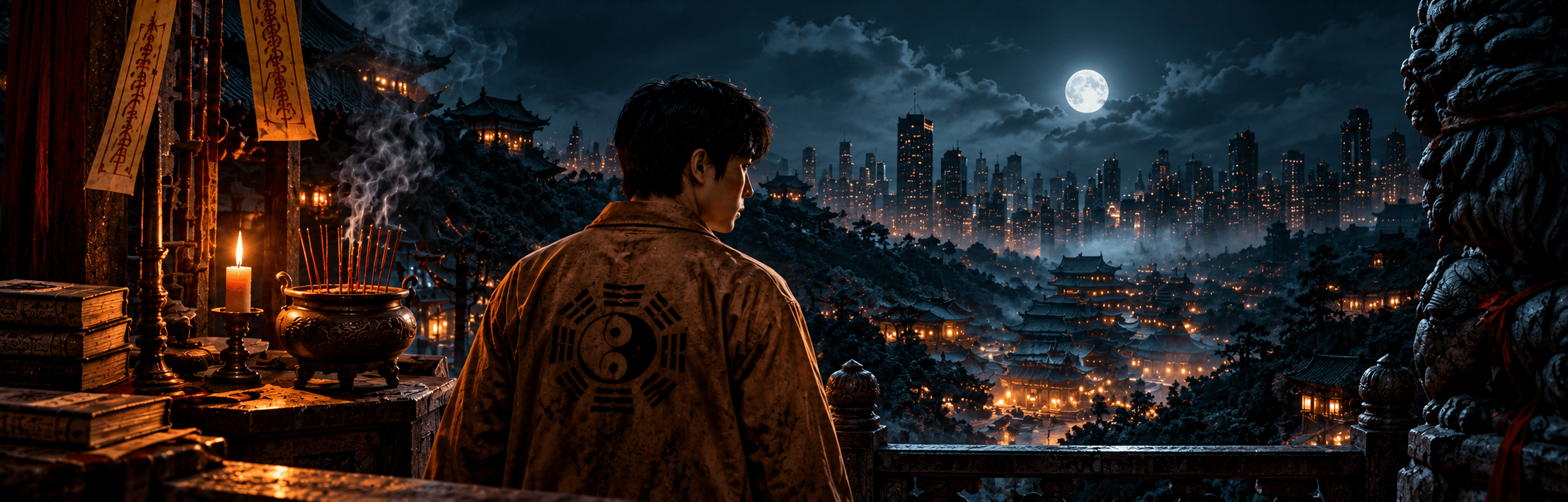
If you are looking for Chinese supernatural horror where ghosts follow rules, ritual knowledge matters, and the protagonist has to earn every bit of competence, The Door to Maoshan is built around that experience. Liang Jun begins as a university graduate who does not believe in ghosts. Then a death omen and a series of supernatural encounters pull him into a world of talismans, restless spirits, ritual practice, and consequences he can no longer dismiss.
The useful question is not whether the book contains ghosts. It does. The better question is whether you enjoy horror that turns fear into understanding, then asks the protagonist to prove what he has learned.
What Kind of Chinese Supernatural Horror Is This?
The Door to Maoshan is modern supernatural horror built around occult investigation, a Maoshan-inspired ritual system, and a protagonist who has to learn how the supernatural world works before he can become capable of facing it. Set in modern China, the story brings that supernatural framework into offices, schools, and other ordinary spaces where the strange keeps breaking through.
Ghosts and dangerous encounters provide the horror, but the story is not only about being haunted. Liang Jun is repeatedly forced to understand what he is facing before he can decide what to do about it.
Three Reasons It May Be Your Kind of Horror
If You Like Supernatural Systems With Rules
The supernatural here is not just an unexplained shadow in the corner. Talismans, Yin and Yang, ritual practice, omens, and spiritual principles give Liang Jun a framework he gradually has to understand.
That does not make the ghosts safe. It changes the kind of tension. Part of the fear comes from discovering what a threat is, what rules apply to it, and whether Liang Jun knows enough to respond before the situation gets worse.
If You Like Watching Competence Develop
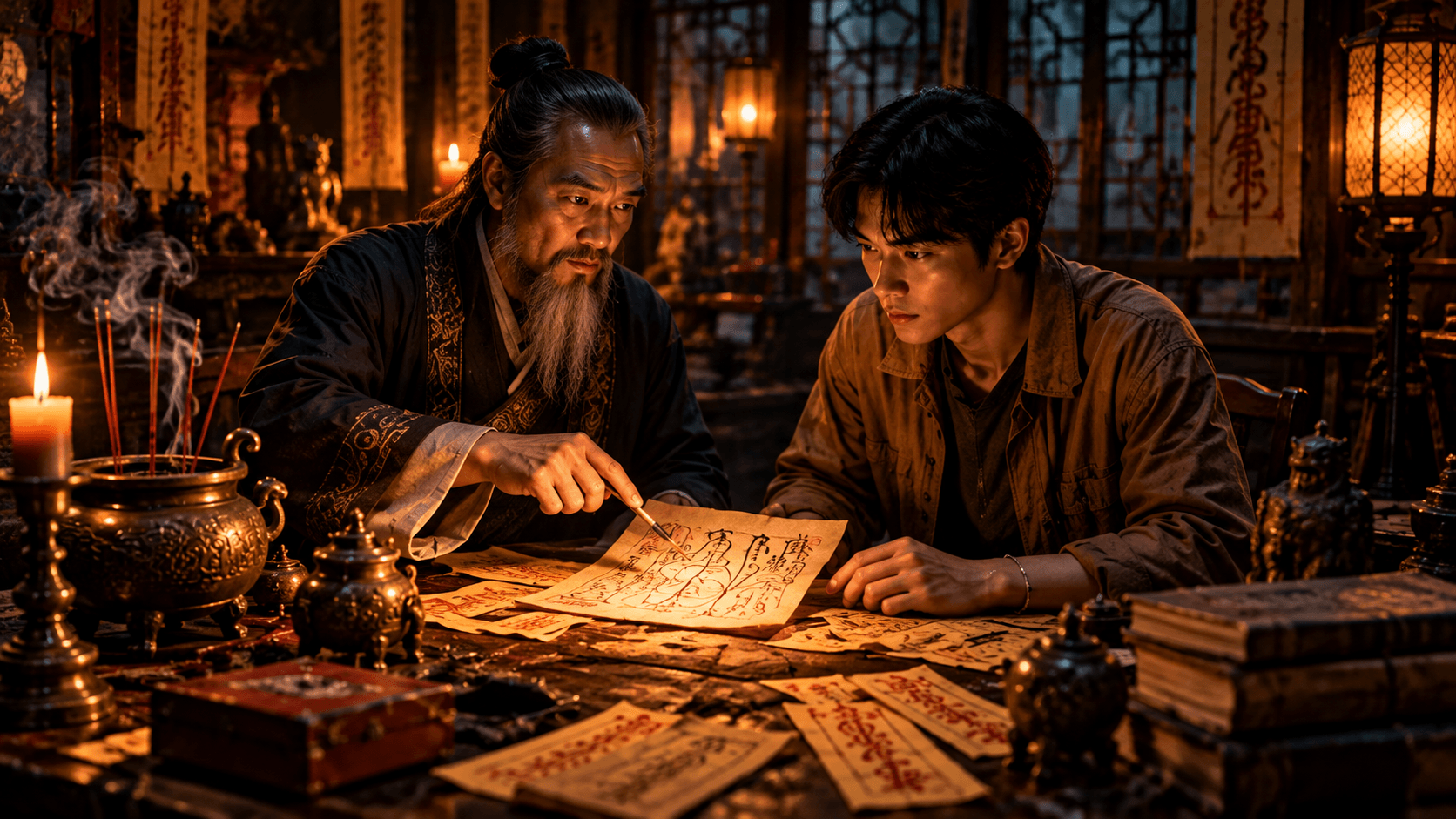
Liang Jun is not introduced as a hidden master waiting to reveal impossible powers. He starts as a skeptic who suddenly needs knowledge he never expected to use.
His progression is part of the appeal: student first, practitioner later. Skills, confidence, and understanding have to accumulate. If you enjoy protagonists becoming more capable because they learned something rather than because the story simply declares them powerful, this is an important part of the book’s rhythm.
If You Like Supernatural Cases and Investigation
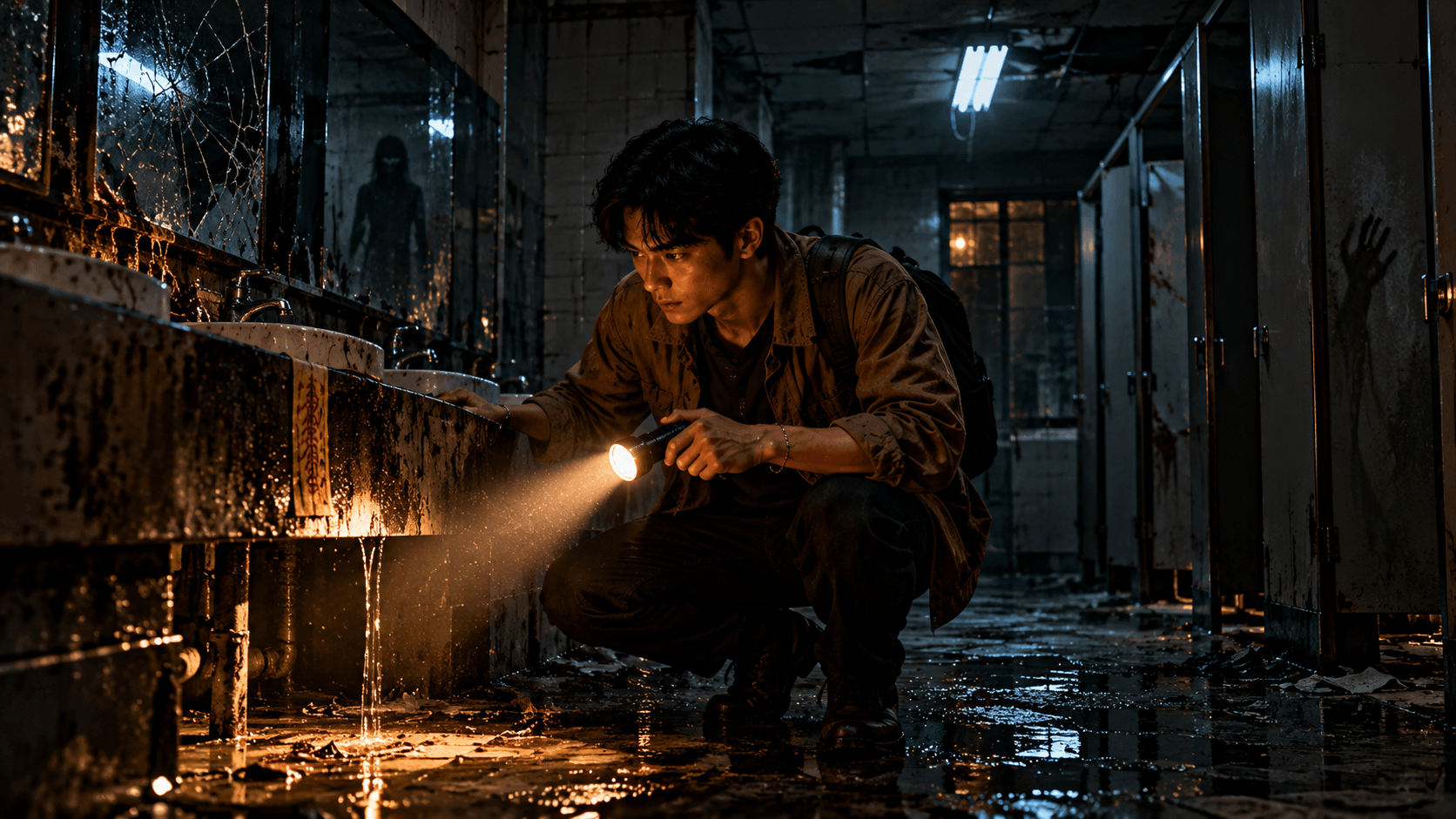
The novel opens a larger supernatural world rather than treating everything as one isolated haunting. Liang Jun encounters recurring supernatural cases and problems that need to be understood, investigated, and dealt with.
That gives the story a problem-solving current alongside the horror. The question is not only, “What is happening?” It gradually becomes, “Now that we know what this is, what can actually be done about it?”
What Does Reading It Feel Like?
The experience moves between unease, investigation, learning, and confrontation. Early uncertainty matters because Liang Jun knows very little. Later tension changes as he gains enough knowledge to recognise dangers that would once have seemed impossible.
So the satisfaction does not come from removing the horror. It comes from watching helplessness slowly give way to informed action. The ghosts remain dangerous; Liang Jun simply becomes less unprepared for them.
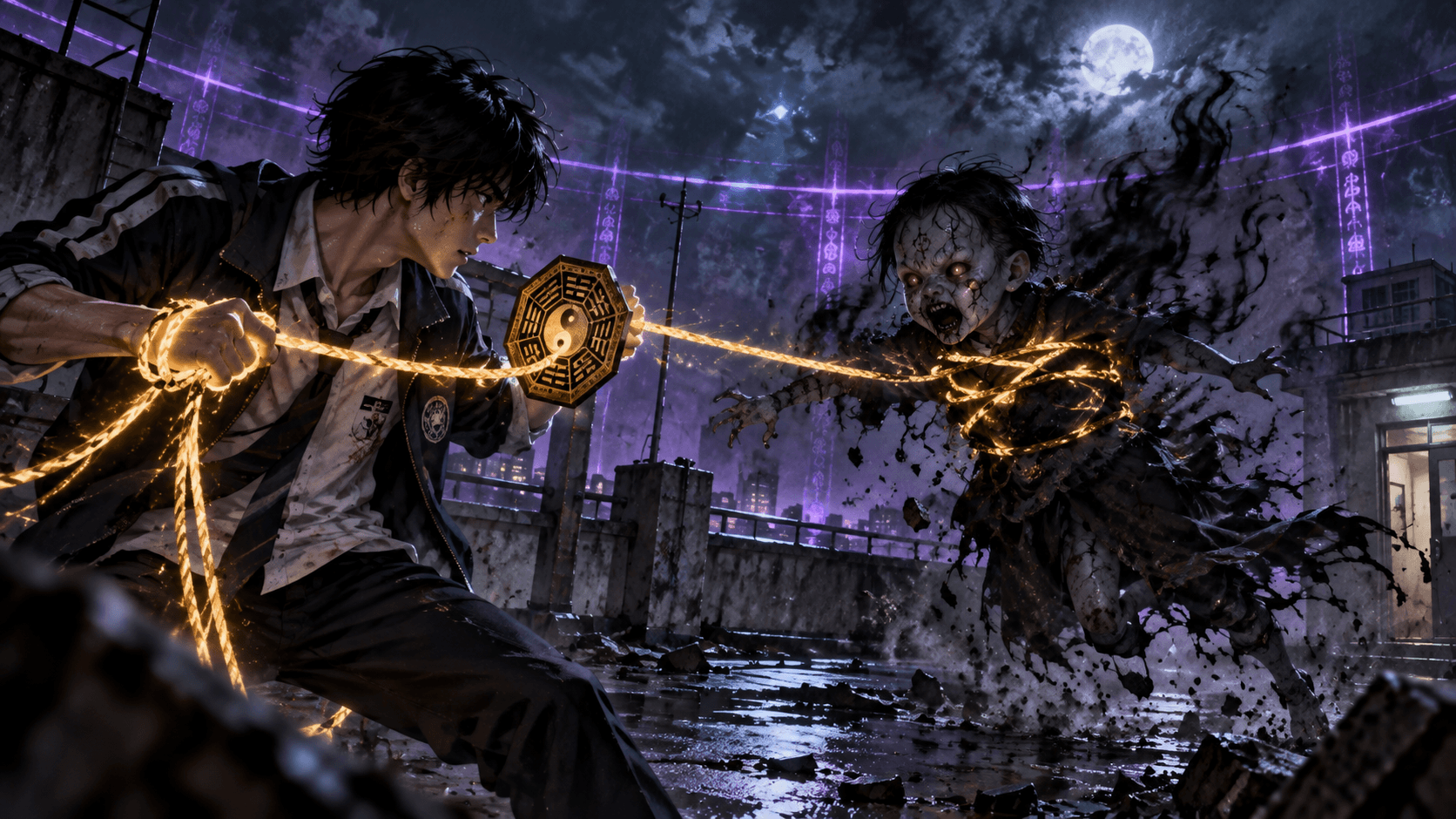
Already sounds like your kind of horror? You can preview The Door to Maoshan on Amazon before deciding.
How the Maoshan-Inspired Rules Shape the Horror
The book draws on a Chinese supernatural frame that includes ghosts, omens, Yin and Yang, talismans, and a Maoshan-inspired approach to ritual practice. These ideas are woven into how characters interpret supernatural events and decide what to do about them, rather than appearing only as decorative references.
The Door to Maoshan is still fiction. Its supernatural system is inspired by ideas associated with Chinese folk belief and Maoshan traditions; it is not intended as a religious guide or an authoritative description of real-world practice.
Who Will Probably Enjoy It?
- Readers looking for modern Chinese supernatural horror.
- People who enjoy ghosts, occult investigation, and figuring out supernatural rules.
- Readers who like protagonists learning gradually instead of beginning overpowered.
- Anyone who enjoys horror mixed with earned competence and progression.
- Readers who prefer recurring supernatural problems and cases to one long, isolated haunting.
Who Might Not Enjoy It?
- If you mainly want relentless extreme or splatter horror, the investigative and learning elements may not be what you are after.
- If you want a protagonist who is already powerful from the beginning, the apprenticeship arc may feel slower than a pure power fantasy.
- If you prefer the supernatural to remain completely unknowable, the emphasis on rules and ritual logic may reduce some of that ambiguity for you.
- If you are looking primarily for a romance-centred story, that is not the main experience being offered here.
Want to See If It Works for You?
You do not have to decide from a description alone. Amazon provides a Read Sample for the Kindle edition, so you can try the opening and see whether Liang Jun’s world, voice, and supernatural rules work for you.
The Door to Maoshan is also available through Kindle Unlimited.
Affiliate disclosure: As an Amazon Associate I earn from qualifying purchases. Using these affiliate links does not add any extra cost to your purchase.
Book Details
| Title | The Door to Maoshan: From University Graduate to Maoshan Disciple |
| Author | J. T. Veyr |
| Format | Kindle eBook |
| Kindle Unlimited | Available through Kindle Unlimited |
| Genre / experience | Modern Chinese supernatural horror · occult investigation · earned progression |
| Language | English |
Questions Before You Open the Door
Is The Door to Maoshan horror or fantasy?
It is best approached as supernatural horror with occult-investigation and progression elements. The supernatural rules and growing competence add a dark-fantasy dimension, but ghosts, danger, and supernatural cases remain central to the reading experience.
Does it use real Maoshan practices?
The novel uses a fictional, Maoshan-inspired supernatural system. It draws inspiration from Chinese supernatural and ritual ideas, but it should not be read as an instructional or religious reference.
Does Liang Jun become more capable?
Yes. Learning and increasing competence are important parts of his arc, but the progression is earned through apprenticeship and experience rather than arriving instantly.
Can I read a sample first?
Yes. Amazon provides a Read Sample for the Kindle edition, so you can inspect the book there before deciding whether to continue.
Want to browse Eerie Story Vault’s own books instead? Return to the Books hub.