You already know you want psychological horror on PS5. The harder part is figuring out which kind will actually feel right once you start playing.
Maybe being chased with no way to defend yourself quickly becomes frustrating. Or maybe carrying a gun makes horror feel too safe.
Maybe you enjoy ten minutes of worrying about what is around the next corner, but hate games that suddenly blast you with a loud scare.
Or perhaps what keeps you playing is not the scare at all. You need to solve the mystery, find out who survives or understand what happened.
Those differences matter more than a generic ranking.
This guide compares what you actually do, how each game scares you and what could make it a bad fit, so you can narrow nine very different horror games without already knowing the genre vocabulary.
This is a research-based guide using official gameplay information and published PS5 coverage.
Affiliate disclosure: As an Amazon Associate I earn from qualifying purchases. Using these affiliate links does not add any extra cost to your purchase.
The Fast Route
| If this sounds like you… | Start with… | What you will mostly be doing |
|---|---|---|
| You want grief and slow dread but still need to fight back | Silent Hill 2 | Exploring, solving puzzles and surviving melee and firearm encounters |
| You want a mystery, weapons and a world that stops making sense | Alan Wake 2 | Investigating, fighting and moving between two protagonists and distorted realities |
| You want heavier fighting with Japanese folklore and body horror | Silent Hill f | Close-range melee combat, exploration and story-linked puzzles |
| You want to fight sometimes but still need to hide or escape | Silent Hill: Townfall | Searching in first-person, using the CRTV, sneaking, hiding and fighting when necessary |
| You want pursuit and vulnerability without being completely helpless | REANIMAL | Platforming, environmental puzzles, hiding and escaping cinematic chases |
| You want sudden danger and choices that can get characters killed | Until Dawn | Exploring, making decisions and reacting to timed button prompts |
| Weapons make horror feel too safe and you want grief-heavy unease | Luto | Exploring a shifting first-person environment and solving observation-heavy puzzles |
| You want occult scares while being unable to simply fight the danger | MADiSON | Exploring, solving puzzles and using an instant camera to uncover clues |
| Minds, technology and identity disturb you more than ghosts | Observer: System Redux | Investigating crime scenes, questioning people and entering distorted minds |
Still unsure? Start with what happens when something comes after you.
What Happens When Something Comes After You?
If being chased with no way to push back stops being scary and starts becoming annoying, stay toward games that let you defend yourself.
If carrying weapons makes you relax too much, move toward games where fighting is limited or absent.
You want to stand your ground
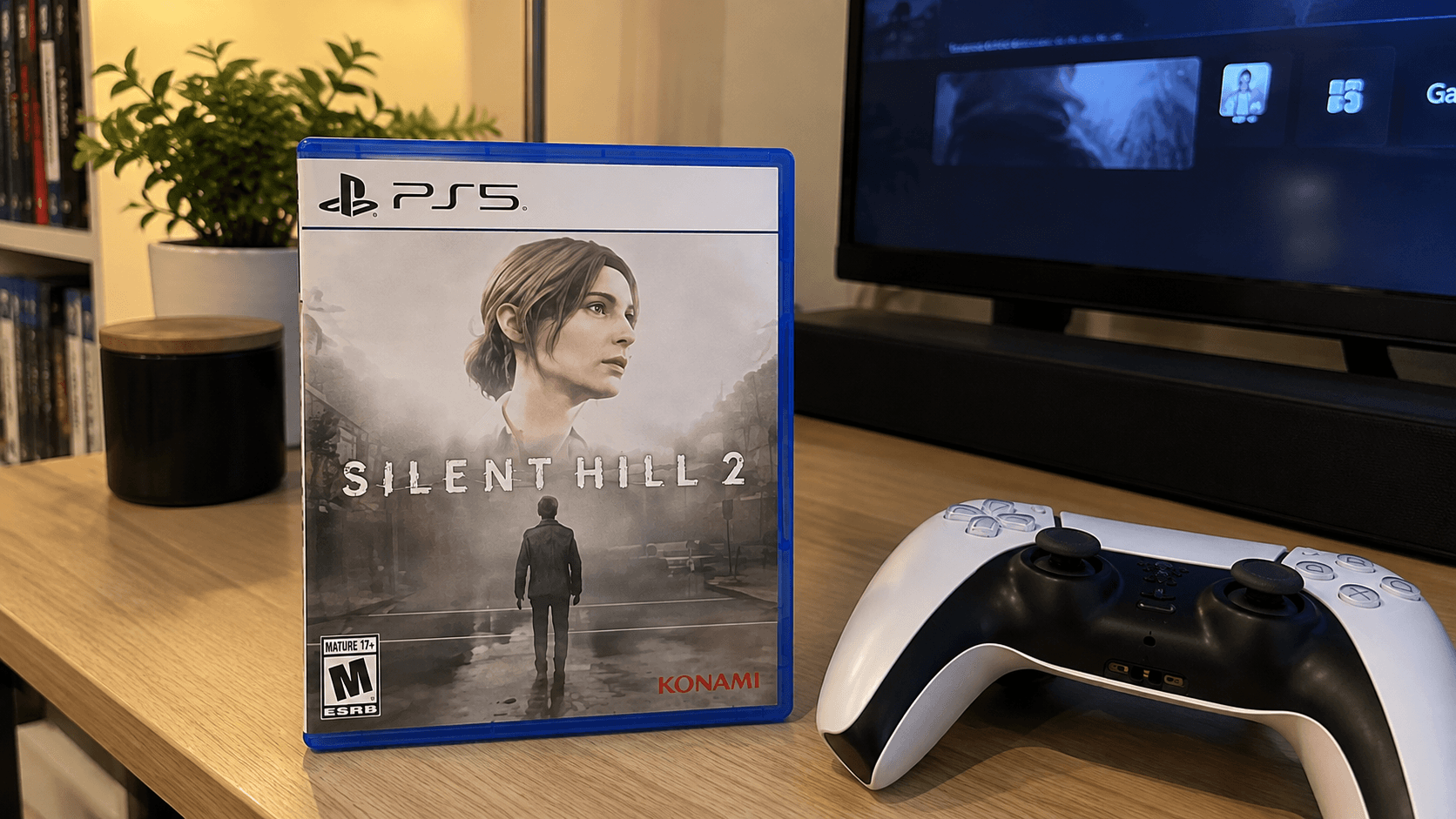
Silent Hill 2 gives you melee weapons and firearms, but James is not an action hero. Exploration and puzzles still take up a large part of the experience.
That makes it a strong fit if helplessness annoys you but you still want combat to feel desperate rather than empowering.
This recommendation is for the PS5 remake of Silent Hill 2.
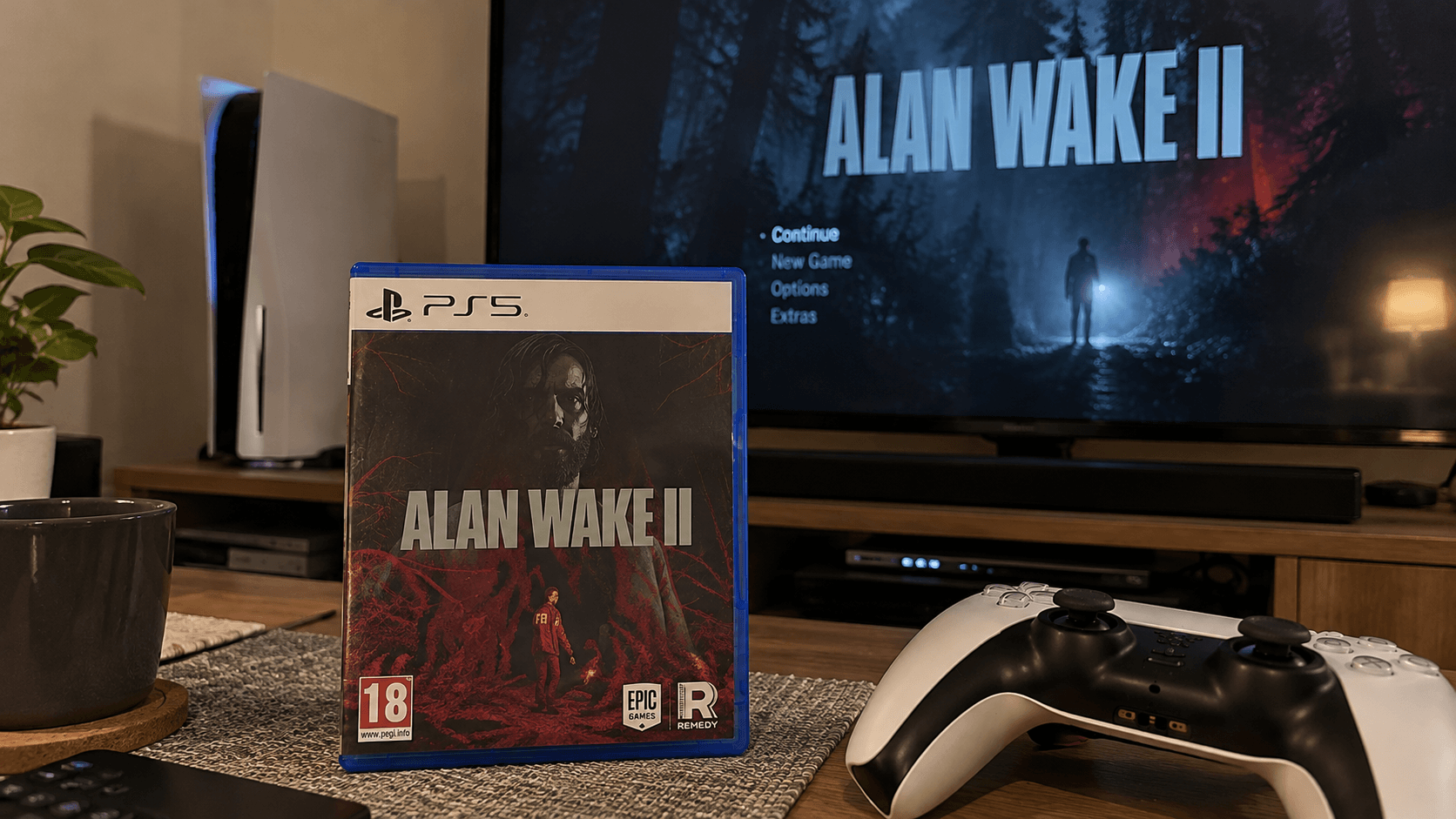
Alan Wake 2 adds more investigation around the fighting. You follow clues as Saga Anderson, move through Alan’s distorted reality and use light and firearms against threats.
It also uses sudden visual and audio “horror flashes.” Remedy later added an option to reduce their visual and audio intensity, so sharp shocks are worth considering even though the game often builds slower tension too.
You do not need to play the first Alan Wake or Control first. Alan Wake 2 is designed so newcomers can follow the story without previous-game knowledge, while returning players will recognize additional connections.
Silent Hill f pushes much further toward close-range fighting.
Firearms are not an option. Instead, melee weapons, stamina, counters, Sanity and weapon durability make confrontation a major part of play.
The setting combines 1960s Japan with grotesque bodily transformation, a form of body horror where disturbing physical changes become part of the fear.
Silent Hill f is also a standalone spin-off, so previous Silent Hill knowledge is not required to understand its story.
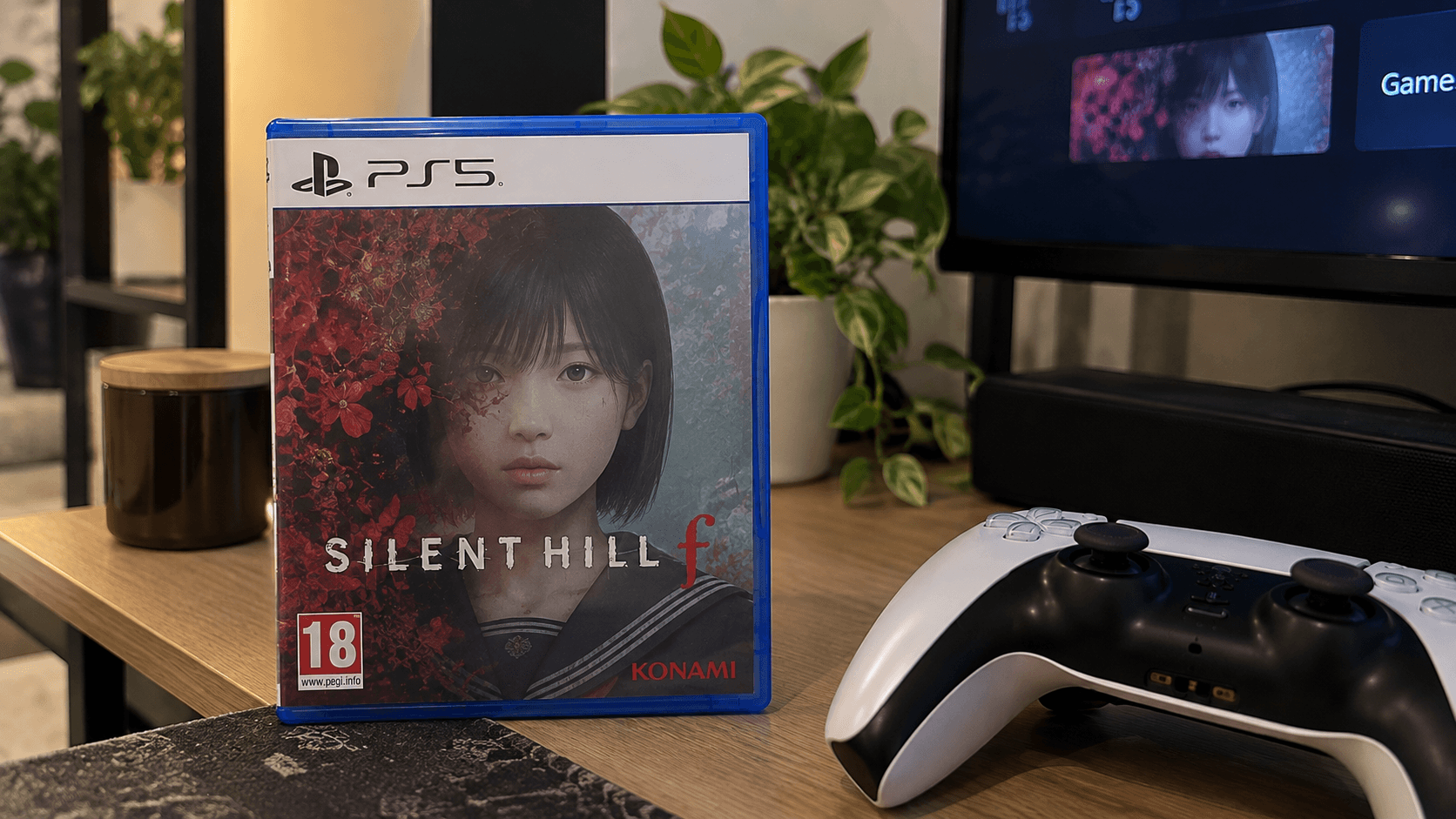
Japanese folklore and grotesque transformation matter more than guns? Silent Hill f is the fit if you want that setting and heavier melee combat, but remember that firearms are not an option. See Silent Hill f: Day One Edition on Amazon →
You want fighting to be possible, not guaranteed
Silent Hill: Townfall sits between combat and avoidance.
Its first-person view restricts how much of the surrounding space you can see. The handheld CRTV helps locate nearby enemies, while stealth, hiding, melee combat and ranged weapons give you several ways through an encounter.
The important part is that fighting is not always the best answer. Sometimes avoiding a threat, hiding or escaping is the safer way forward.
That makes Townfall a good fit if total helplessness frustrates you but clearing every room through combat would make the horror too comfortable.
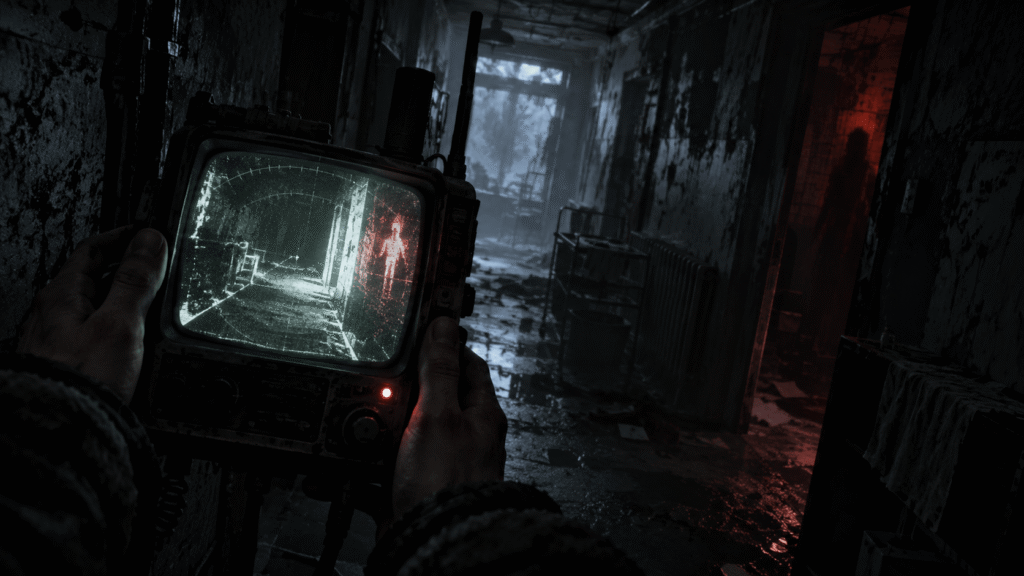
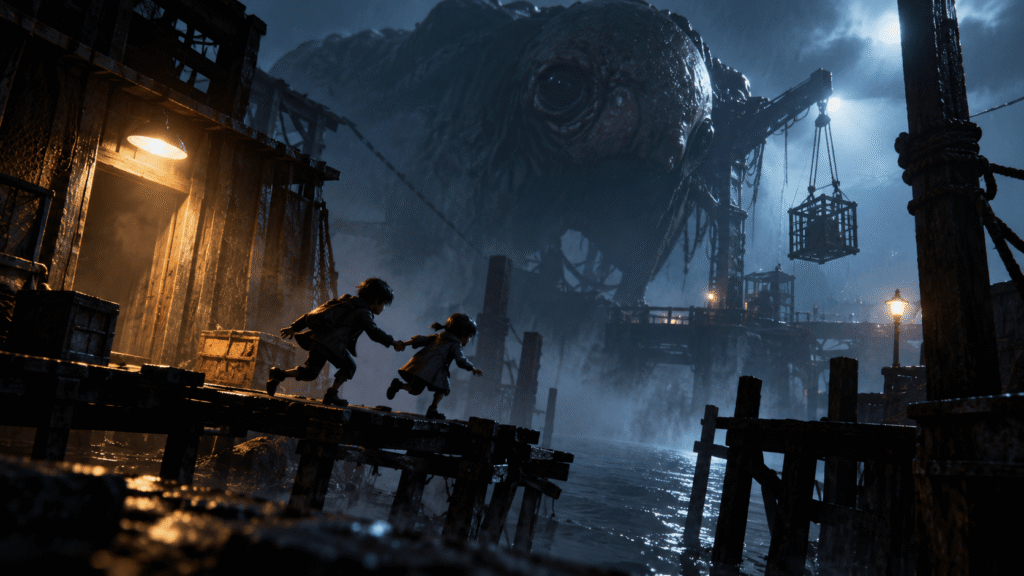
Illustrative images are created to represent the gameplay experiences described in this guide.
Eyeing Townfall but not the decades of Silent Hill behind it?
You can start with Townfall. Our Townfall guide explains why the older games aren’t required first, and what longtime players may recognize that newcomers won’t.
You would rather survive than clear the room
REANIMAL is more about moving through danger than standing your ground.
Expect platforming, environmental puzzles, hiding, chase sequences and occasional ways to fight back. The whole game can be played solo or in local or online two-player co-op.
One caution is its trial-and-error gameplay. Some encounters can require several attempts because the correct response may be difficult to know before you have seen the sequence once.
If repeatedly learning a chase through retries irritates you, that could matter more than the co-op option.
Luto, MADiSON and Observer move even further from regular combat. Their tension comes more from exploration, puzzles, investigation and being unable to solve danger with a weapon.
How Do You Want the Game to Scare You?
Scare style does not divide neatly into boxes. A slow game can still use jump scares, and a combat-heavy game can still make you dread opening the next door.
The useful question is what you want most often.
You like tension that builds before anything happens
Silent Hill 2 and Luto fit best here.
Luto is especially slow and inward-looking. You explore a first-person house that refuses to behave normally, notice changes and solve puzzles while the space around you becomes increasingly unreliable.
There is little direct combat. Its strengths are grief, disorientation and the feeling that something is wrong before the game proves it.
The trade-off is pace. If slow exploration and puzzle-solving make you restless, Luto may frustrate you more than frighten you.
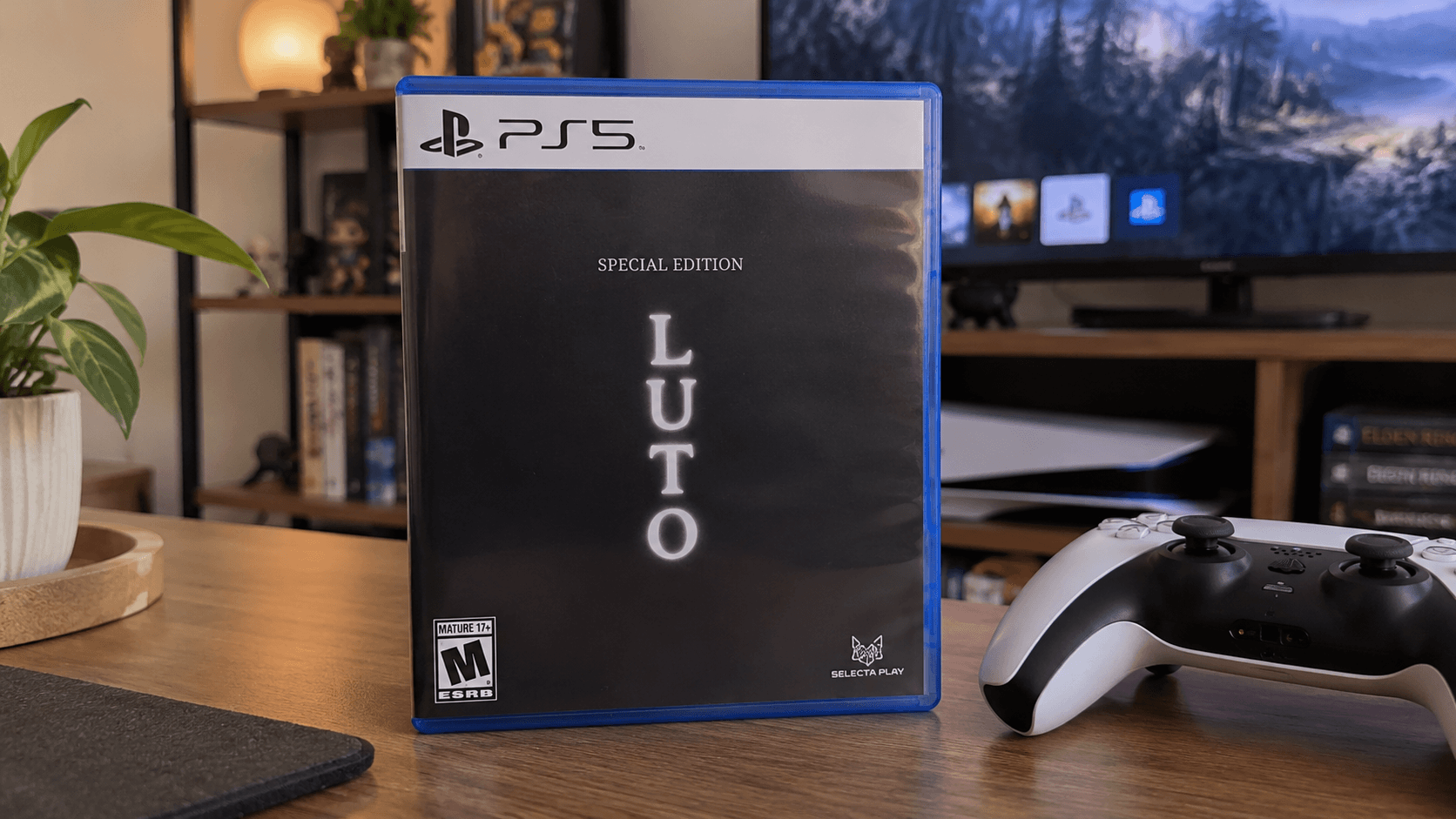
Want grief without regular combat? Luto leans into slow first-person exploration and observation-heavy puzzles, so it fits best if vulnerability matters more to you than action. See Luto Special Edition on Amazon →
You want tension, but you still want danger to break through
Alan Wake 2, Silent Hill f, Townfall and REANIMAL sit closer to this middle ground.
Alan Wake 2 can spend time investigating a scene before switching into combat or a sudden horror flash.
Silent Hill f gives unease less time to remain passive because melee confrontation is a substantial part of the game.
Townfall can move from careful first-person searching to stealth, pursuit or a desperate fight.
REANIMAL alternates environmental puzzles and quieter movement with cinematic chase sequences.
You enjoy sudden shocks
MADiSON is the clearest fit.
Its instant camera is a gameplay tool rather than decoration. You use photographs to reveal clues, solve puzzles and expose things you could not otherwise see.
That also means this is a puzzle-heavy first-person game. If experimenting with objects and working out environmental clues sounds tedious, its occult atmosphere alone may not be enough.
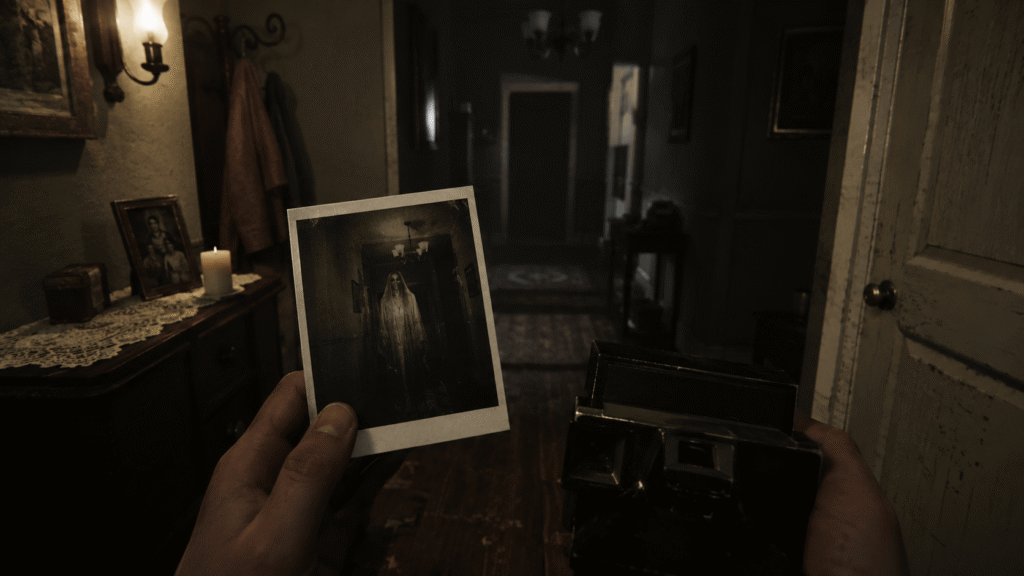
Want occult horror built around the camera? MADiSON makes the instant camera and environmental puzzles central to play, so choose it if solving clues sounds as appealing as the scares. See MADiSON: The Possessed Edition on Amazon →
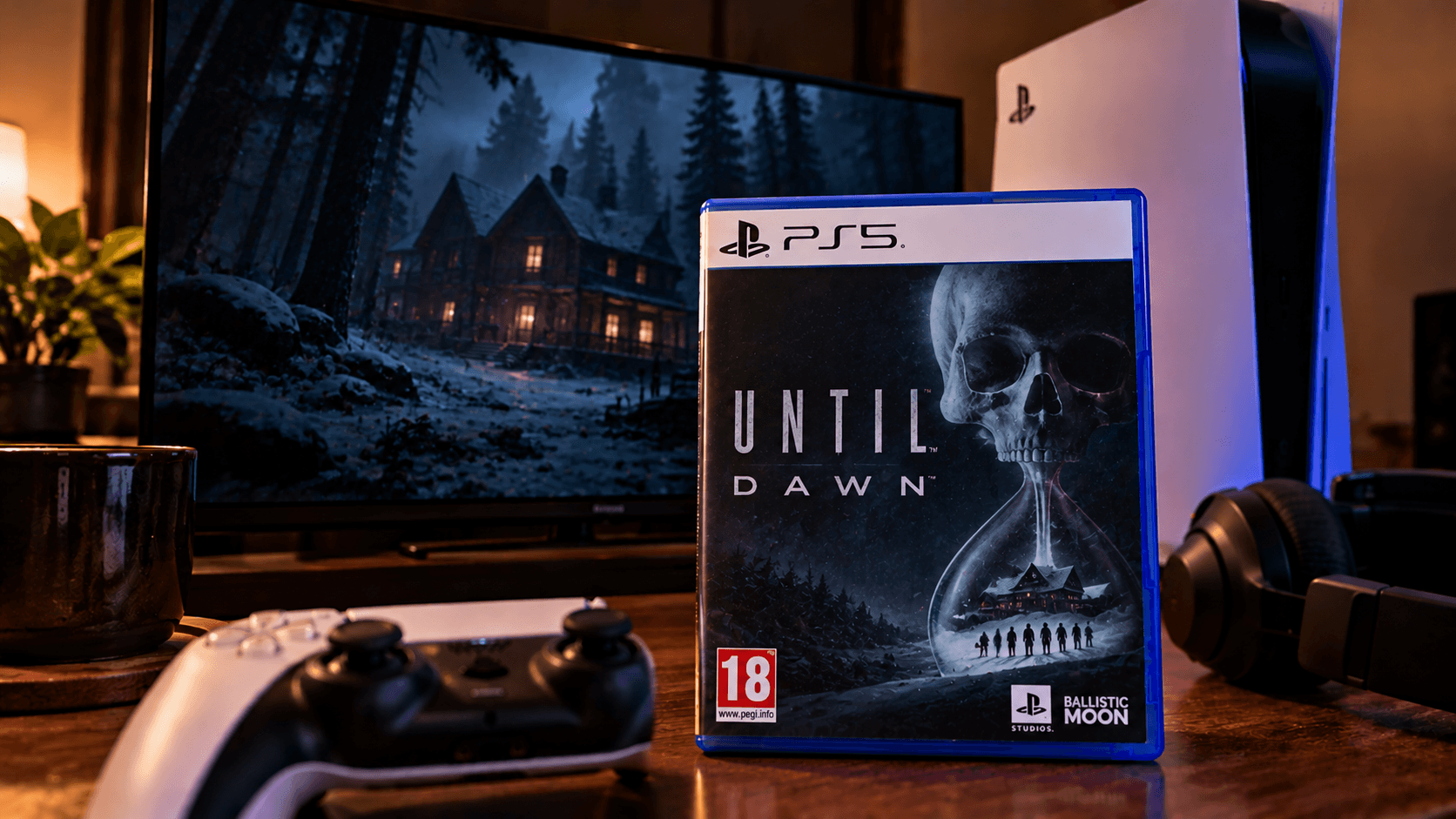
Until Dawn uses sudden danger differently. You explore as eight characters, make decisions and react to timed threats while the story tracks who lives and who dies.
This recommendation is for the 2024 PS5 remake of Until Dawn.
The real attraction is therefore consequence, not simply being startled.
Observer: System Redux mixes sharper shocks with much slower detective work.
You search apartments, examine crime scenes and use the Dream Eater to enter other people’s minds. Those sequences introduce abrupt visual and audio shocks, distorted environments and occasional stealth.
Push Square’s review criticizes the game’s overuse of jump scares, which is worth knowing alongside its much slower detective work and atmosphere.
So Observer is better understood as slow investigation and atmosphere interrupted by sharp shocks, not a pure jump-scare game.
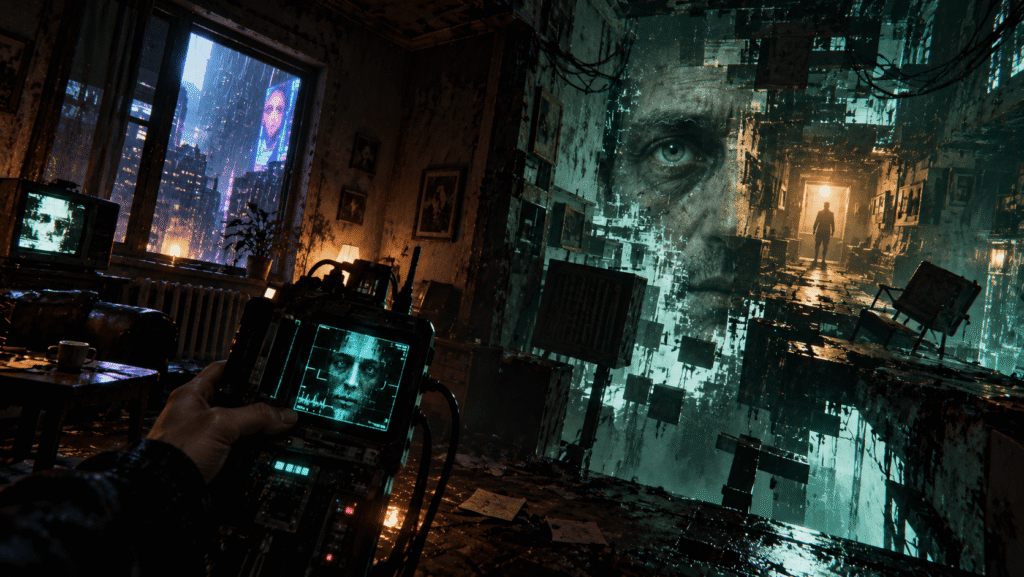
Prefer minds and technology to ghosts? Observer: System Redux is the better fit if you want slow detective work, mind-diving and cyberpunk horror with very little conventional combat. See Observer: System Redux on Amazon →
What Kind of Horror Keeps You Playing?
Once combat and scare style are close enough, the subject of the horror usually separates the remaining choices.
Grief, guilt and personal horror
Choose between Silent Hill 2 and Luto.
Silent Hill 2 wraps those themes around monsters, puzzles and survival combat.
Luto removes most of the fighting and asks exploration and puzzles to carry much more of the experience.
The choice is therefore practical:
Do you want emotional horror with combat, or emotional horror where exploration does most of the work?
Mysteries you need to understand
That points toward Alan Wake 2, Townfall or Observer.
Alan Wake 2 gives you the largest supernatural investigation and regular combat.
Townfall makes searching itself dangerous because threats can remain nearby while you inspect rooms, clues and the CRTV.
Observer turns detective work toward cyberpunk crime scenes, damaged memories and other people’s minds.
You care about what happens to the characters
Until Dawn stands apart.
You make decisions for eight characters and watch those choices alter relationships, scenes and who reaches the end alive.
If you often finish horror games thinking, Could I have saved them?, this gives you something the other eight do not reproduce closely.
Folklore and grotesque physical horror
That is Silent Hill f.
Its Japanese setting, culturally rooted puzzles and distorted bodies make it the clearest thematic outlier in this group.
But liking the theme is not enough by itself. If a melee-focused game with no firearms sounds tiring, the subject matter may fit you better than the gameplay.
Occult rituals and haunted-object horror
That points toward MADiSON.
The instant camera, puzzles, ritual imagery and supernatural entities all reinforce that direction.
But the camera and puzzle-solving are central to the experience. This is not simply an occult haunted-house game where you walk from scare to scare.
Surreal pursuit and environmental horror
That is where REANIMAL earns its place.
Much of the appeal comes from moving through grotesque environments, solving physical puzzles and escaping oversized threats rather than having everything explained through dialogue.
If you need a heavily explained story, that ambiguity may be a larger problem than its difficulty.
Loved One Already? Work Out What You Actually Loved About It
A game you already loved can tell you more than a list of horror preferences.
Think about what you still remember: the mystery you needed to solve, the character you worried about, the room you hated entering, or the fight that made you feel relieved because, finally, you could do something.
Silent Hill 2: What Stayed With You?
The story and uneasy exploration may have mattered more than the fighting.
Luto keeps the grief-heavy, unstable feeling but removes most regular combat. Exploration and puzzles carry much more of the experience.
Maybe having a weapon was part of the appeal. Alan Wake 2 keeps firearms and investigation, then expands the mystery into something much larger and stranger.
And perhaps you genuinely enjoyed the confrontations. Silent Hill f makes close-range melee a much bigger part of the game, inside a completely different Japanese setting.
MADiSON: The Vulnerability or the Sudden Scares?
The vulnerability may have been the part that worked.
Luto also leaves you without regular combat, but shifts toward slower exploration and noticing what has changed around you.
For investigation between sharper scares, Observer: System Redux replaces occult horror with cyberpunk crime scenes and damaged minds.
Until Dawn makes more sense when you also want sudden danger tied to decisions and character survival. Instead of solving your way through a haunted space, you are trying to keep eight people alive.
Alan Wake 2: What Kept You Playing?
Think about what carried you between the gunfights.
For a more personal story about grief and guilt, Silent Hill 2 narrows the focus.
For dangerous investigation where fighting is only one possible response, Silent Hill: Townfall moves toward stealth, searching and knowing when to escape.
Combat may also have been something you tolerated rather than loved.
Luto keeps the unstable reality and emotional unease.
Observer keeps investigation and distorted perception, but turns toward technology, crime and mind intrusion.
Until Dawn: Could You Have Saved Them?
The most important part may not have been the scares. It may have been wondering whether somebody could have survived if you had chosen differently.
None of the other eight recreates that branching character-survival structure closely.
MADiSON is the stronger move toward direct occult scares and vulnerability.
Alan Wake 2 gives you more control through firearms and investigation.
Silent Hill 2 also lets you fight back, but places much more weight on isolation, grief and personal horror.
What If Nothing Fits Exactly?
Sometimes the closest game is still the wrong game.
You want Silent Hill f’s world, but not all that fighting
The Japanese setting, folklore and grotesque transformation point straight toward Silent Hill f.
The problem is that melee combat is central. Stamina, counters and weapon durability are part of the experience, not occasional interruptions.
Someone excited by that setting and comfortable with regular fighting still has a clear match.
Someone already put off by the combat does not.
None of the other eight offers the same Japanese folklore and body-horror combination with very little fighting.
There is no close substitute here.
You want to fight back, but still want sharp scares
Alan Wake 2 gives the strongest balance. Investigation and firearm combat sit alongside sudden visual and audio horror flashes.
Silent Hill f shifts the balance toward more fighting.
Until Dawn shifts it toward sudden danger and consequences, with much less conventional combat.
- Best balance: Alan Wake 2
- More combat: Silent Hill f
- More sudden danger and consequences: Until Dawn
Final Chooser
| This sounds most like you… | Best fit | Watch out for… |
|---|---|---|
| Grief and slow dread, but you still want to defend yourself | Silent Hill 2 | Slow exploration and puzzles |
| Investigation, weapons and reality-bending horror | Alan Wake 2 | Dense story and horror flashes |
| Japanese folklore with heavier close-range combat | Silent Hill f | No firearms; melee is central |
| Fighting, sneaking and escaping all sound useful | Silent Hill: Townfall | Avoidance can be safer than combat |
| Pursuit, puzzles and optional co-op | REANIMAL | Some trial-and-error encounters |
| Your decisions should determine who survives | Until Dawn | Little conventional combat |
| Grief, surreal spaces and almost no fighting | Luto | Slow exploration and puzzles |
| Occult horror built around a camera | MADiSON | Puzzle-solving is central |
| Cyberpunk investigation and damaged minds | Observer: System Redux | Mind-diving sequences can run long; little conventional combat |
There is no universal winner. The best choice is the one whose actual play, scares and compromises still sound appealing once you can picture yourself holding the controller.